Stem Cell Therapy: Overview, Benefits & Risks
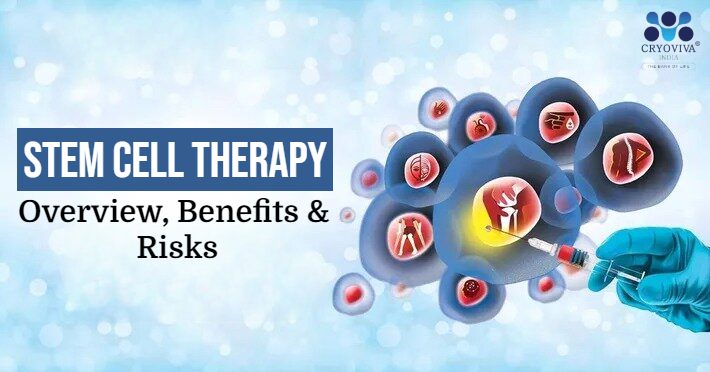
Cryoviva Biotech is a company in India that offers stem cell banking services in india. Specifically, they provide umbilical cord blood and tissue banking services, which involves the collection and storage of stem cells from the umbilical cord and tissue of a newborn baby.
Stem cell therapy is emerging as a revolution in medical science, an indication of regenerative future medicine. Stem cells, also referred to as the "master cell," have the unique capacity to self-renew and can differentiate into many different types of specialized cells. This striking ability can change the whole scenario, and it may be used to treat leukemia, heart failure, and other life-threatening diseases. Let's understand more about stem cell therapy, its benefits, and the risks associated with it.
What are Stem Cells?
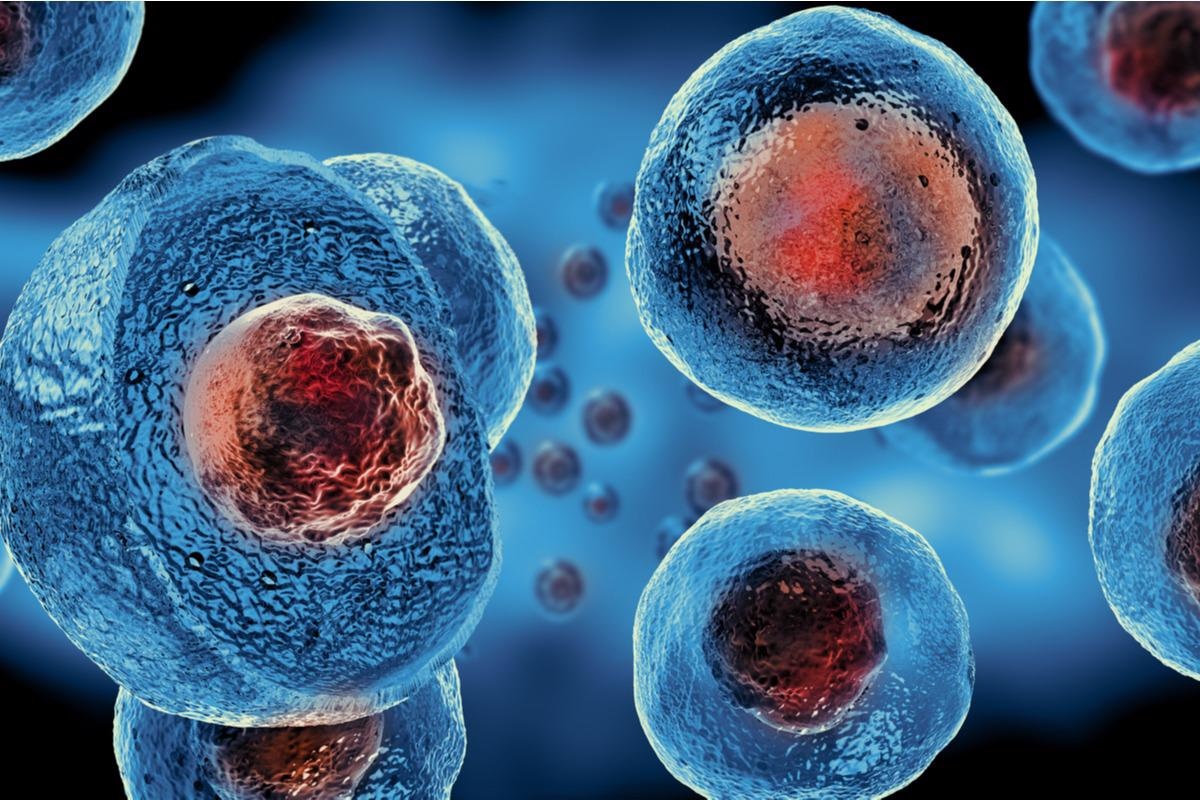
Stem cells are undifferentiated cells with the special ability to form various cell types and replicate themselves through cell divisions. It can be classified into two categories: the source of the stem cell and the potential to differentiate into different cells. When it comes to sources of stem cells, it can be of four types:
Embryonic stem cells (extracted from three to five days old embryos)
Adult stem cells (extracted from different tissues throughout the adult body, like liver, bone marrow, skin, brain, and liver)
Induced pluripotent stem cells (generated in the laboratory by reprogramming adult stem cells to a state of embryonic stem cells)
Perinatal stem cells (extracted from the umbilical cord after delivery)
On the basis of the potential to differentiate into different types of cells, they are classified into five types:
Totipotent (differential into all cell types, for example, the first cells that appear as a zygote)
Pluripotent (convert into any cell type, for example, embryonic or perinatal)
Multipotent (transform into closely related family of cells)
Oligopotent (differentiate into different cell types)
Unipotent (produces only one type of cell, which is their own kind, like adult stem cell)
How Does Stem Cell Therapy Work?
Stem cell therapy uses stem cells (either adult or perinatal) and uses them to replace the diseased, dysfunctional, or injured cells in the target area. The stem cells mature into a specific cell, like muscle, heart, or brain, and restore the functionality of that organ or tissue.
For example, cord blood stem cells are used to treat different types of cancers, like leukemia. Doctors use chemotherapy to kill all the cancerous cells. Then, stem cell therapy starts, with the stem cells injected into the patient's body through transfusion. The stem cells evolve into that specific organ cell and restore its functioning.
Benefits of Stem Cell Therapy
Stem cell therapy holds immense potential for addressing various medical conditions and advancing treatments in the following ways:
Treat cardiovascular disease where stem cells can repair the affected blood vessels and heart tissue.
Heal incisions and wounds, as stem cells can grow into new, healthy skin tissue, improve collagen production, stimulate hair development, and substitute scar tissue for healthy ones.
Cure neurodegenerative diseases, like Parkinson's and Huntington's, as the stem cells transform into healthy brain neurons, cells, and synapses after brain injury.
Overcome autoimmune diseases like rheumatoid arthritis and lupus, where the immune system attacks its own cells.
Reduce the discomfort caused by orthopedic conditions, like spine diseases and sport-related injuries.
Risks Associated with Stem Cell Therapy
While stem cell therapy holds tremendous promise, there are some risks and ethical considerations associated with it:
Uncontrolled stem cell proliferation could lead to tumor formation, which would make stem cell therapy dangerous.
The possibility of immune rejection remains when transplanting stem cells from a donor that is not the same genetic type as the recipient.
Conclusion
Stem cell therapy reshapes medicine by providing a new chance of treatment to those patients suffering from devastating diseases and injuries. From regenerating the tissues with damage to taking drug development to the next level, applications of stem cells are variegated and reach everywhere.
However, finding a perfect adult stem cell can be difficult due to time constraints. That's why it is best to preserve the stem cells after birth so that the therapy can continue without delay. If you are looking for stem cell preservation, look no further than Cryoviva. We are the leading provider of best-in-class cord blood banking services. Contact us for a better future!


